

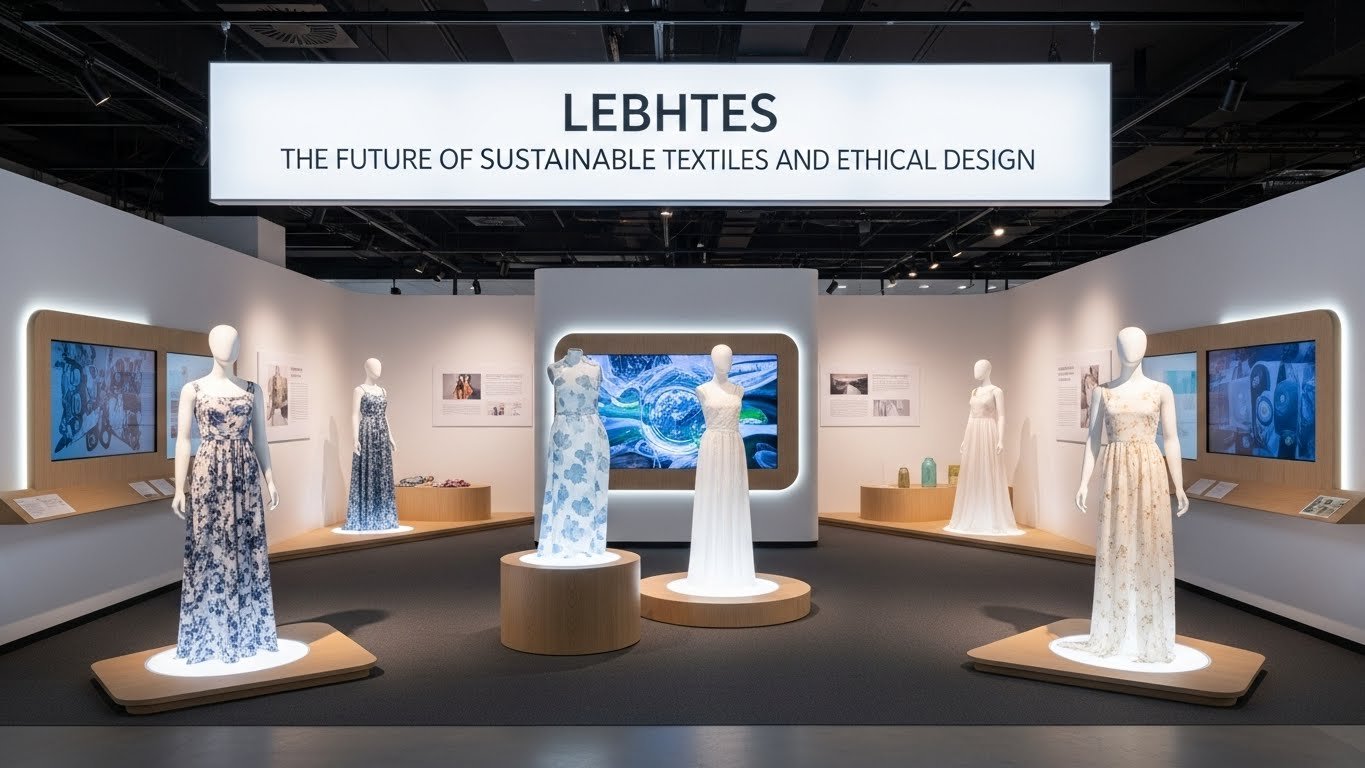
Lebhtes is emerging as a distinctive name in the evolving world of fashion and materials, where responsibility, innovation, and style intersect. As consumers become more aware of environmental impact and social responsibility, Lebhtes represents a thoughtful shift toward conscious creation. Rooted in Sustainable Textiles and Ethical Design, Lebhtes focuses on balancing modern aesthetics with long-term environmental care. This approach not only answers today’s demand for transparency but also sets a foundation for the future of the textile and design industry.
Understanding the Concept Behind Lebhtes
Lebhtes is more than a brand identity or a simple concept. It reflects a philosophy built on mindful production, ethical sourcing, and quality craftsmanship. In a market often driven by fast fashion and short product lifecycles, Lebhtes stands apart by emphasizing durability, sustainability, and respect for both people and the planet.
The core idea of Lebhtes lies in rethinking how textiles are produced and used. Instead of prioritizing mass output, the focus is on responsible materials, fair labor practices, and reduced environmental strain. This mindset aligns closely with the principles of Sustainable Textiles and Ethical Design, which value long-term impact over short-term trends.
Lebhtes and the Evolution of Sustainable Textiles
The textile industry has historically been associated with heavy water usage, chemical waste, and unethical labor conditions. Lebhtes addresses these challenges by adopting cleaner processes and sustainable raw materials. Organic fibers, recycled fabrics, and low-impact dyes play a significant role in shaping the identity of Lebhtes.
Within this framework, innovation becomes essential. Lebhtes supports the use of modern textile technologies that minimize waste while maintaining high standards of comfort and durability. By integrating Sustainable Textiles and Ethical Design into every stage of production, Lebhtes helps redefine how fabrics are sourced, processed, and delivered.
The following table illustrates how Lebhtes compares traditional textile practices with sustainable alternatives, showing its practical commitment within the industry.
| Aspect of Production | Traditional Textile Methods | Lebhtes Sustainable Approach |
|---|---|---|
| Raw Materials | Synthetic and chemical-heavy fibers | Organic, recycled, and natural fibers |
| Water Usage | Excessive water consumption | Reduced and controlled water processes |
| Dyeing Process | Toxic chemical dyes | Low-impact and eco-friendly dyes |
| Waste Management | High waste generation | Recycling and waste reduction strategies |
This comparison highlights how Lebhtes integrates sustainability not just as a concept but as a measurable practice.
Ethical Design as a Core Value of Lebhtes
Ethical design is central to the identity of Lebhtes. This principle extends beyond materials and enters the realm of human impact. Fair wages, safe working environments, and transparent supply chains are essential components of ethical design. Lebhtes emphasizes partnerships with manufacturers and artisans who uphold ethical labor standards.
Ethical design also influences product longevity. Instead of disposable fashion, Lebhtes promotes timeless designs that encourage long-term use. This reduces overconsumption and supports a more circular economy, reinforcing the broader goals of Sustainable Textiles and Ethical Design.
Another table helps explain how ethical design principles are applied within Lebhtes across different stages of production.
| Design Stage | Ethical Focus | Lebhtes Implementation |
|---|---|---|
| Concept Development | Purposeful design | Long-lasting and functional styles |
| Manufacturing | Worker welfare | Fair wages and safe conditions |
| Distribution | Transparency | Clear sourcing and production details |
| End Use | Sustainability | Encouraging reuse and recycling |
By embedding ethics into every phase, Lebhtes builds trust and credibility among conscious consumers.
The Role of Innovation in Lebhtes Growth
Innovation drives the continued growth of Lebhtes. From experimenting with biodegradable fabrics to exploring energy-efficient manufacturing methods, innovation ensures that sustainability does not compromise quality or style. Lebhtes demonstrates that responsible fashion can still be visually appealing and commercially viable.
Digital tools also support the mission of Lebhtes. Data-driven supply chains help reduce excess inventory, while smart production planning minimizes waste. These innovations align with Sustainable Textiles and Ethical Design by ensuring that resources are used efficiently without unnecessary environmental harm.
Innovation, in this context, is not about speed but about smarter decisions. Lebhtes shows how technology and responsibility can coexist in a meaningful way.
Consumer Awareness and the Rise of Lebhtes
Modern consumers are more informed than ever. They want to know where products come from, how they are made, and who is involved in the process. Lebhtes responds to this demand by offering transparency and education. Clear labeling, honest communication, and traceable sourcing help consumers make confident choices.
This growing awareness has fueled the rise of brands and concepts centered on Sustainable Textiles and Ethical Design. Lebhtes benefits from this shift by aligning its values with consumer expectations. As a result, it attracts individuals who prioritize quality, responsibility, and authenticity over fast consumption.
Lebhtes also encourages mindful purchasing. By highlighting the true cost of production and environmental impact, it helps consumers understand the value of ethical choices.
Environmental Impact and Long-Term Benefits of Lebhtes
The environmental benefits of Lebhtes extend beyond reduced pollution and waste. By promoting sustainable materials and ethical processes, contributes to healthier ecosystems and communities. Reduced chemical usage protects water sources, while responsible sourcing helps preserve biodiversity.
Over time, these practices lead to long-term benefits for both the environment and the economy. Sustainable Textiles and Ethical Design create opportunities for innovation, green jobs, and resilient supply chains. stands as an example of how responsible practices can drive positive change without sacrificing creativity or profitability.
Lebhtes as a Future-Focused Model
Looking ahead, Lebhtes represents a model for the future of textiles and design. As regulations tighten and consumer expectations continue to rise, sustainability will no longer be optional. Lebhtes is already positioned ahead of this curve by integrating ethical and environmental responsibility into its foundation.
The adaptability of Lebhtes allows it to evolve alongside new technologies and materials. This flexibility ensures that it remains relevant while staying true to its core values. By maintaining a strong commitment to Sustainable Textiles and Ethical Design, demonstrates how forward-thinking strategies can shape a more responsible industry.
Conclusion: Why Lebhtes Matters Today
Lebhtes matters because it reflects a broader transformation in how textiles and design are approached. It challenges outdated practices and offers a more responsible alternative rooted in sustainability and ethics. Through thoughtful innovation, transparent processes, and ethical design principles, proves that change is possible and necessary.
As the demand for Sustainable Textiles and Ethical Design continues to grow, Lebhtes stands as a meaningful response to global challenges. It is not just about fashion or materials, but about creating a system that respects people, resources, and the planet. This balanced approach positions as a significant and influential concept in the modern design landscape.