

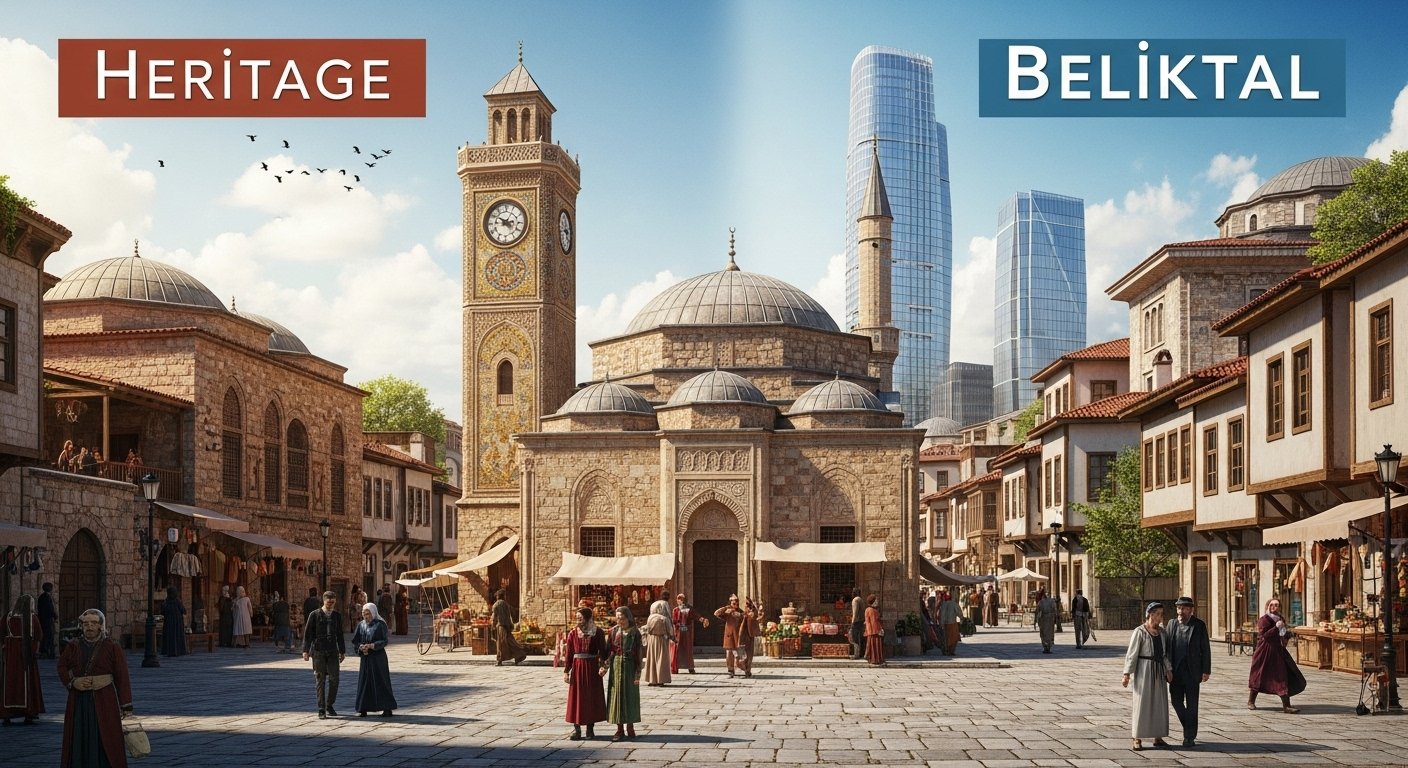
Beliktal represents a living narrative where the past and present coexist in a thoughtful and deliberate rhythm. From its cultural memory shaped by generations to its emerging modern outlook, this place illustrates how tradition does not need to be erased to make room for progress. Instead, identity can be strengthened when heritage and innovation move forward together. In today’s rapidly transforming world, communities that successfully manage this balance often become models for sustainable cultural growth, and Beliktal stands firmly within this conversation.
The idea of balancing heritage with modernity is not a passive process. It involves conscious choices about architecture, education, governance, lifestyle, and technology. What makes this journey particularly compelling is the way local values continue to guide decision-making while new ideas are selectively adopted to improve quality of life. This article explores how such balance is achieved, why it matters, and what lessons can be drawn from this evolving cultural landscape.
Historical Foundations of Beliktal and Cultural Continuity
The historical foundations of Beliktal are deeply woven into its social fabric. Oral traditions, preserved craftsmanship, and long-standing communal practices reflect a heritage that has survived centuries of change. History here is not confined to textbooks or monuments; it is actively lived through festivals, language, and everyday customs. These elements create continuity, offering people a sense of belonging and shared purpose.
Heritage in this context is not static. It adapts slowly, absorbing influences while retaining its core values. Elders play a significant role in passing down stories and skills, ensuring that cultural knowledge remains accessible to younger generations. This intergenerational exchange strengthens social bonds and prevents cultural erosion. By honoring its past, the community establishes a stable foundation upon which modern developments can stand without causing cultural displacement.
Beliktal as a Cultural Anchor in a Changing World
As global influences expand, Beliktal functions as a cultural anchor for its people. The preservation of traditional attire, music, and rituals is not merely symbolic; it reinforces identity during periods of rapid transformation. Cultural centers and local gatherings provide spaces where tradition is practiced rather than archived. This active participation ensures that heritage remains relevant and meaningful.
At the same time, openness to dialogue allows the community to evaluate which external influences align with its values. Rather than rejecting modern ideas outright, there is a careful process of adaptation. This approach prevents cultural isolation while safeguarding authenticity. The result is a dynamic cultural environment that remains rooted while staying responsive to contemporary realities.
Architectural Expression of Heritage and Progress in Beliktal
Architecture offers one of the most visible examples of how tradition and modernity coexist. In Beliktal, historic structures stand alongside contemporary designs, creating a layered urban landscape. Traditional building methods that emphasize natural materials and climate responsiveness continue to influence modern construction practices. This blend not only preserves visual identity but also promotes environmental sustainability.
Modern buildings often incorporate traditional motifs, courtyard layouts, or locally sourced materials. These design choices reflect respect for cultural aesthetics while meeting present-day functional needs. Infrastructure development is guided by regulations that prioritize harmony with existing heritage sites, ensuring that progress does not come at the cost of cultural loss.
The following table illustrates how architectural elements reflect continuity and innovation within the same built environment.
| Architectural Aspect | Heritage Influence | Modern Adaptation |
|---|---|---|
| Building Materials | Stone and wood traditions | Energy-efficient composites |
| Design Layout | Courtyard-centered homes | Open-plan living spaces |
| Climate Response | Natural ventilation | Smart insulation systems |
| Aesthetic Features | Cultural motifs | Minimalist enhancements |
Social Life and Community Values in Beliktal
Social cohesion remains a defining characteristic of Beliktal. Community life is structured around shared responsibilities, mutual support, and collective celebrations. These social values have been preserved through customs that encourage cooperation and respect. Modern lifestyles have introduced new forms of interaction, yet the emphasis on community remains unchanged.
Education plays a critical role in sustaining this balance. Schools incorporate local history and cultural studies alongside modern curricula, ensuring that students develop both global awareness and local pride. Community programs encourage youth participation in cultural activities while equipping them with skills relevant to contemporary careers. This dual focus prepares individuals to navigate modern challenges without losing cultural grounding.
Economic activities also reflect this balance. Traditional crafts coexist with modern entrepreneurship, creating diversified income opportunities. Markets feature locally produced goods alongside technologically enhanced services, demonstrating that economic growth can support cultural preservation rather than undermine it.
Technology and Innovation Shaping the Future of Beliktal
Technology has become an essential tool for enhancing quality of life, and Beliktal approaches innovation with intentionality. Digital platforms are used to document cultural practices, promote local businesses, and connect the community with broader networks. This strategic use of technology ensures that modernization serves cultural objectives rather than replacing them.
Renewable energy initiatives, smart resource management, and digital governance systems illustrate how innovation is integrated responsibly. These developments address contemporary needs such as sustainability and efficiency while aligning with long-term community values. Technology here is viewed not as a disruptive force but as a supportive instrument that strengthens resilience.
The table below highlights how modern tools complement traditional practices across different sectors.
| Sector | Traditional Practice | Technological Support |
| Education | Oral storytelling | Digital archives |
| Commerce | Local marketplaces | Online platforms |
| Governance | Community councils | E-governance tools |
| Environment | Conservation customs | Smart monitoring systems |
Cultural Preservation and Global Engagement
Engagement with the global community has expanded opportunities for cultural exchange. Beliktal participates in cultural festivals, academic collaborations, and tourism initiatives that showcase its heritage on international platforms. This visibility fosters appreciation while generating economic benefits that can be reinvested in preservation efforts.
Tourism is managed carefully to avoid commercialization that could dilute cultural meaning. Guidelines emphasize respectful engagement, authentic experiences, and community involvement. By controlling the narrative, the community ensures that global exposure enhances rather than exploits its cultural assets.
Language preservation initiatives further demonstrate commitment to heritage. Digital tools are used to document and teach linguistic traditions, making them accessible to younger generations and researchers worldwide. This combination of local stewardship and global connectivity strengthens cultural resilience.
Environmental Stewardship and Sustainable Development in Beliktal
Sustainability is deeply connected to traditional ecological knowledge. Practices such as seasonal resource management and respect for natural cycles have long guided community interaction with the environment. Modern sustainability strategies build upon this wisdom, incorporating scientific insights and technological solutions.
Urban planning prioritizes green spaces, renewable energy, and efficient transportation. These initiatives reflect a holistic understanding of development that considers environmental, social, and cultural impacts. By aligning sustainability goals with heritage values, long-term resilience is achieved without compromising identity.
Community participation remains central to environmental stewardship. Educational campaigns and collaborative projects encourage collective responsibility, reinforcing the idea that progress and preservation are interconnected.
Economic Growth Without Cultural Erosion in Beliktal
Economic development often poses challenges to cultural integrity, yet Beliktal demonstrates that growth can be inclusive and respectful. Policies support local enterprises, traditional industries, and innovative startups equally. This balanced approach prevents economic dominance by external forces and maintains community control.
Investment in skill development ensures that residents benefit directly from new opportunities. Training programs combine traditional knowledge with modern techniques, enabling adaptation without displacement. As a result, economic progress strengthens social stability rather than creating inequality.
The integration of ethical tourism, sustainable agriculture, and creative industries further diversifies the economy. Each sector contributes to prosperity while reinforcing cultural narratives that define the community’s identity.
Education and Knowledge Transmission Across Generations
Education acts as a bridge between heritage and modernity. Formal institutions collaborate with cultural practitioners to deliver holistic learning experiences. Students engage with history, arts, and technology in ways that highlight their interconnectedness. Mentorship programs pair elders with youth, facilitating experiential learning that textbooks alone cannot provide. This approach fosters respect for tradition while encouraging innovation. Graduates emerge with a strong sense of identity and the skills needed to thrive in a modern world.