

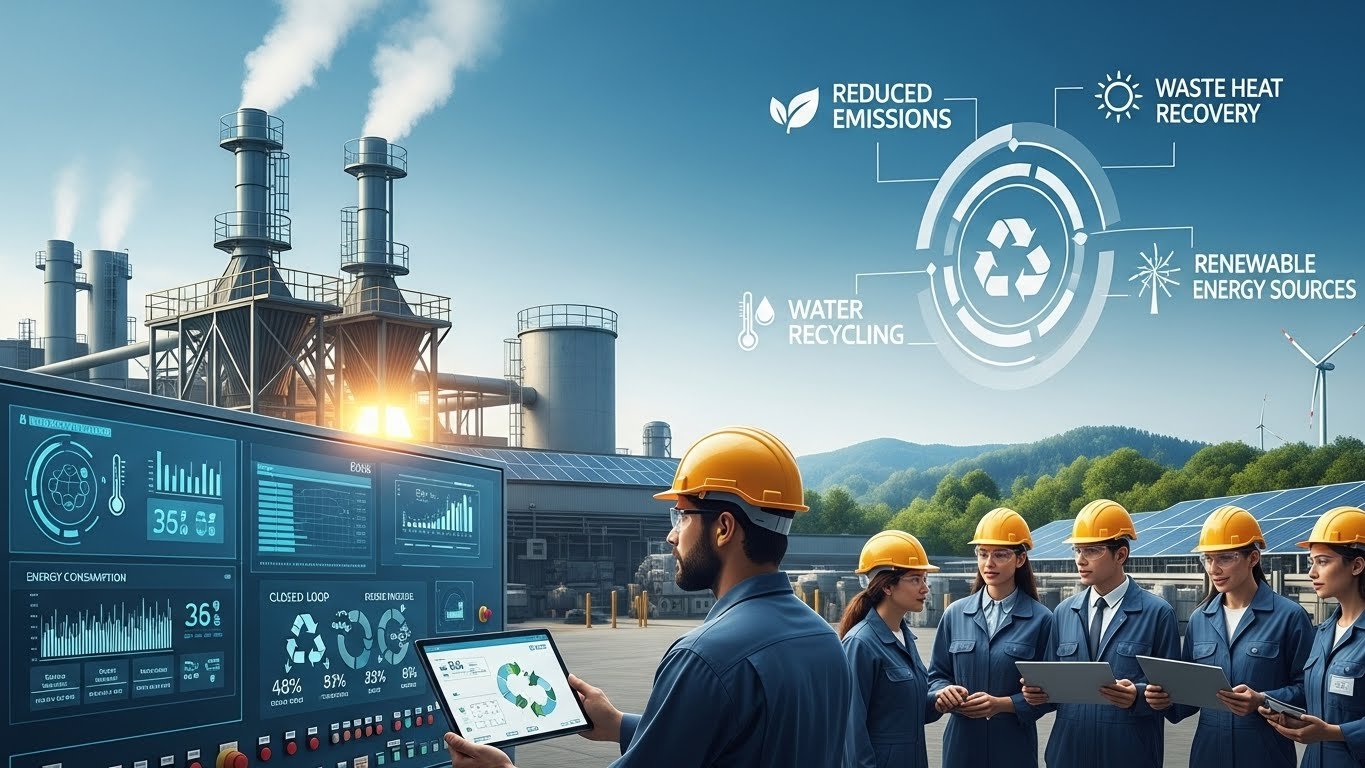
The global industrial landscape is undergoing a profound transformation as sustainability becomes a central priority, and Kovových stands as a representation of eco friendly practices reshaping metal production. Traditionally, metal manufacturing has been associated with high energy consumption, carbon emissions, and environmental degradation. Today, however, innovative approaches and responsible technologies are redefining how metals are produced, processed, and recycled. This article explores the evolving role of environmentally conscious methods in metal production, highlighting how Kovových-inspired practices are contributing to a cleaner and more sustainable future.
Understanding the Concept of Kovových in Modern Metal Production
The idea behind Kovových reflects a growing commitment to sustainability within the metal industry. Rather than focusing solely on output and efficiency, modern production models now consider environmental impact, resource conservation, and long-term ecological balance. This shift acknowledges that industrial progress and environmental responsibility can coexist.
Metal production influenced by Kovových principles integrates cleaner energy sources, advanced manufacturing techniques, and responsible sourcing of raw materials. These practices aim to reduce waste, minimize emissions, and optimize resource utilization while maintaining the quality and durability that metals are known for.
The Environmental Challenges of Traditional Metal Manufacturing
Before the adoption of eco friendly practices, metal production posed significant environmental challenges. High-temperature smelting processes required vast amounts of fossil fuel energy, contributing to greenhouse gas emissions. Mining activities often resulted in land degradation and water pollution.
The contrast between traditional methods and Kovových-oriented approaches highlights the importance of innovation in addressing these challenges.
| Production Aspect | Traditional Metal Manufacturing | Kovových Eco Friendly Approach |
|---|---|---|
| Energy usage | Fossil fuel dependent | Renewable and low-carbon energy |
| Waste generation | High industrial waste | Optimized waste reduction |
| Emissions | Significant CO₂ output | Controlled and reduced emissions |
| Resource efficiency | Linear consumption | Circular resource use |
This comparison demonstrates how sustainable innovation can transform an industry once considered environmentally intensive.
Kovových and the Shift Toward Renewable Energy
Energy consumption is one of the most critical factors in metal production. Kovových practices emphasize the integration of renewable energy sources such as solar, wind, and hydropower into manufacturing processes. This shift reduces dependency on fossil fuels and lowers overall carbon footprints.
Modern smelting and refining facilities are increasingly designed to operate with energy-efficient technologies. Heat recovery systems and smart energy management tools allow producers to reuse excess heat and optimize power consumption, making metal production more environmentally responsible.
Sustainable Raw Material Sourcing in Kovových Systems
Raw material extraction has long been a major environmental concern. Kovových-inspired systems prioritize responsible mining practices and the use of recycled metals to reduce the demand for virgin resources. Recycling metals requires significantly less energy compared to primary extraction, making it a cornerstone of sustainable production.
By integrating recycled inputs, manufacturers can preserve natural resources while maintaining product quality. This approach also supports a circular economy, where materials are continuously reused rather than discarded.
| Material Source | Environmental Impact | Sustainability Benefit |
|---|---|---|
| Virgin metal ores | High land and energy impact | Limited sustainability |
| Recycled metals | Lower energy consumption | Resource conservation |
| Hybrid sourcing | Balanced impact | Improved efficiency |
Such sourcing strategies reflect the practical application of eco friendly principles in modern metal industries.
Water Conservation and Management in Kovových Practices
Water plays a vital role in metal processing, from cooling systems to surface treatments. Excessive water use and contamination have historically posed serious environmental risks. Kovových methodologies address this issue by implementing closed-loop water systems and advanced filtration technologies.
These systems allow water to be reused multiple times, significantly reducing overall consumption. Additionally, wastewater treatment processes ensure that discharged water meets environmental safety standards, protecting surrounding ecosystems.
Reducing Emissions Through Cleaner Technologies
Air pollution is another challenge associated with metal production. Kovových-aligned facilities adopt cleaner technologies such as electric arc furnaces and low-emission smelting techniques. These innovations reduce harmful emissions and improve air quality both inside and outside production sites.
Advanced monitoring systems also play a role by tracking emission levels in real time. This data-driven approach enables manufacturers to make informed adjustments, ensuring compliance with environmental regulations and sustainability goals.
The Role of Automation and Digitalization in Kovových
Digital transformation is enhancing sustainability across industrial sectors, and metal production is no exception. Kovových practices incorporate automation, artificial intelligence, and data analytics to improve efficiency and reduce waste.
Automated systems optimize production cycles, minimizing material loss and energy use. Predictive maintenance tools help identify equipment issues before failures occur, extending machinery lifespan and reducing unnecessary resource consumption.
| Digital Tool | Application in Metal Production | Environmental Advantage |
|---|---|---|
| AI analytics | Process optimization | Reduced waste |
| Automation systems | Precision manufacturing | Energy efficiency |
| Monitoring sensors | Emission and energy tracking | Regulatory compliance |
These technologies demonstrate how innovation and sustainability can work hand in hand.
Workplace Safety and Environmental Responsibility
Eco friendly practices extend beyond environmental impact to include worker safety and community well-being. Kovových-oriented facilities prioritize safer working conditions by reducing exposure to pollutants and implementing cleaner processes.
Improved air quality, reduced noise pollution, and safer handling of materials contribute to healthier workplaces. This holistic approach recognizes that sustainability encompasses both environmental and human factors.
Kovových and the Circular Economy Model
The circular economy is a key principle in sustainable metal production. Kovových aligns with this model by emphasizing reuse, recycling, and material recovery. Instead of discarding metal waste, manufacturers reintegrate it into production cycles.
This approach not only reduces waste but also lowers production costs and environmental impact. Products designed for recyclability further enhance sustainability by ensuring materials remain valuable at the end of their lifecycle.
Economic Benefits of Eco Friendly Metal Production
Sustainability is often perceived as costly, but Kovových-inspired practices demonstrate that eco friendly production can be economically advantageous. Energy efficiency reduces operational costs, while recycling lowers raw material expenses.
Additionally, environmentally responsible companies often benefit from improved brand reputation and regulatory incentives. These factors contribute to long-term financial stability and competitiveness in global markets.
Regulatory Compliance and Global Standards
Environmental regulations are becoming increasingly stringent worldwide. Kovových practices help manufacturers meet and exceed these standards by adopting proactive sustainability measures.
Compliance with international environmental frameworks not only reduces legal risks but also positions companies as responsible industry leaders. This alignment with global standards supports international trade and collaboration.
Innovation and Research Driving Kovových Forward
Continuous research and development are essential for advancing eco friendly metal production. Kovových-oriented initiatives invest in innovative materials, cleaner processes, and sustainable design principles.
Collaboration between industry, academia, and policymakers accelerates the adoption of new technologies. These partnerships ensure that sustainability remains at the forefront of industrial progress.
The Global Impact of Kovových Practices
On a global scale, sustainable metal production contributes to climate change mitigation and resource preservation. Kovových represents a mindset that encourages industries to take responsibility for their environmental footprint.
By reducing emissions and conserving resources, eco friendly metal practices support global sustainability goals and contribute to a healthier planet for future generations.
Future Trends in Eco Friendly Metal Production
The future of metal manufacturing lies in continuous innovation and adaptation. Kovových reflects emerging trends such as carbon-neutral production, green hydrogen use, and advanced recycling technologies.
As demand for sustainable materials grows, metal producers will increasingly adopt eco friendly practices as a competitive necessity rather than an optional strategy.
Why Kovových Matters for Sustainable Industrial Growth
The significance of Kovových extends beyond individual facilities or companies. It represents a broader shift toward responsible industrial growth that balances economic development with environmental stewardship.
By embracing eco friendly practices, the metal industry can play a crucial role in building a sustainable global economy without compromising performance or quality.
Conclusion
The transformation of metal production through eco friendly practices marks a critical step toward a more sustainable industrial future. Kovových embodies this transformation by promoting responsible energy use, efficient resource management, and innovative technologies. From renewable energy integration and recycling initiatives to digital optimization and circular economy models, Kovových-inspired practices demonstrate that sustainability and industrial success can coexist.
As environmental concerns continue to shape global priorities, the adoption of eco friendly metal production methods will become increasingly essential. Kovových stands as a powerful symbol of how the metal industry can evolve to meet these challenges while contributing positively to the planet and society.